Refrigerator Water Filter vs Pitcher Filter: Costs, Contaminants, and Convenience
Your fridge’s filter light just turned red, or the water tastes a little off, and a cheap pitcher at the store looks tempting. Before you choose, weigh the refrigerator water filter vs pitcher filter decision on what you pay, what gets reduced, and how often you refill. If your refrigerator has a water and ice dispenser, a certified built-in filter is the more convenient choice for everyday drinking water and ice. A certified pitcher is a solid pick if you have no dispenser or want filtered water you can carry anywhere.
The choice matters because both types look alike on paper. Most use activated carbon, and many carry NSF labels. Two filters with the same standard number can still reduce different contaminants, though. If you are paying for a filter to handle lead or chlorine taste, you want proof that your exact cartridge does that job.
You will be able to judge each option on four practical points: where the filtered water comes from, which contaminants each model is certified to reduce, what a year of cartridges costs, and how much upkeep you will do. By the end, you will know which one fits your water and your routine.
What Changes in Everyday Use?
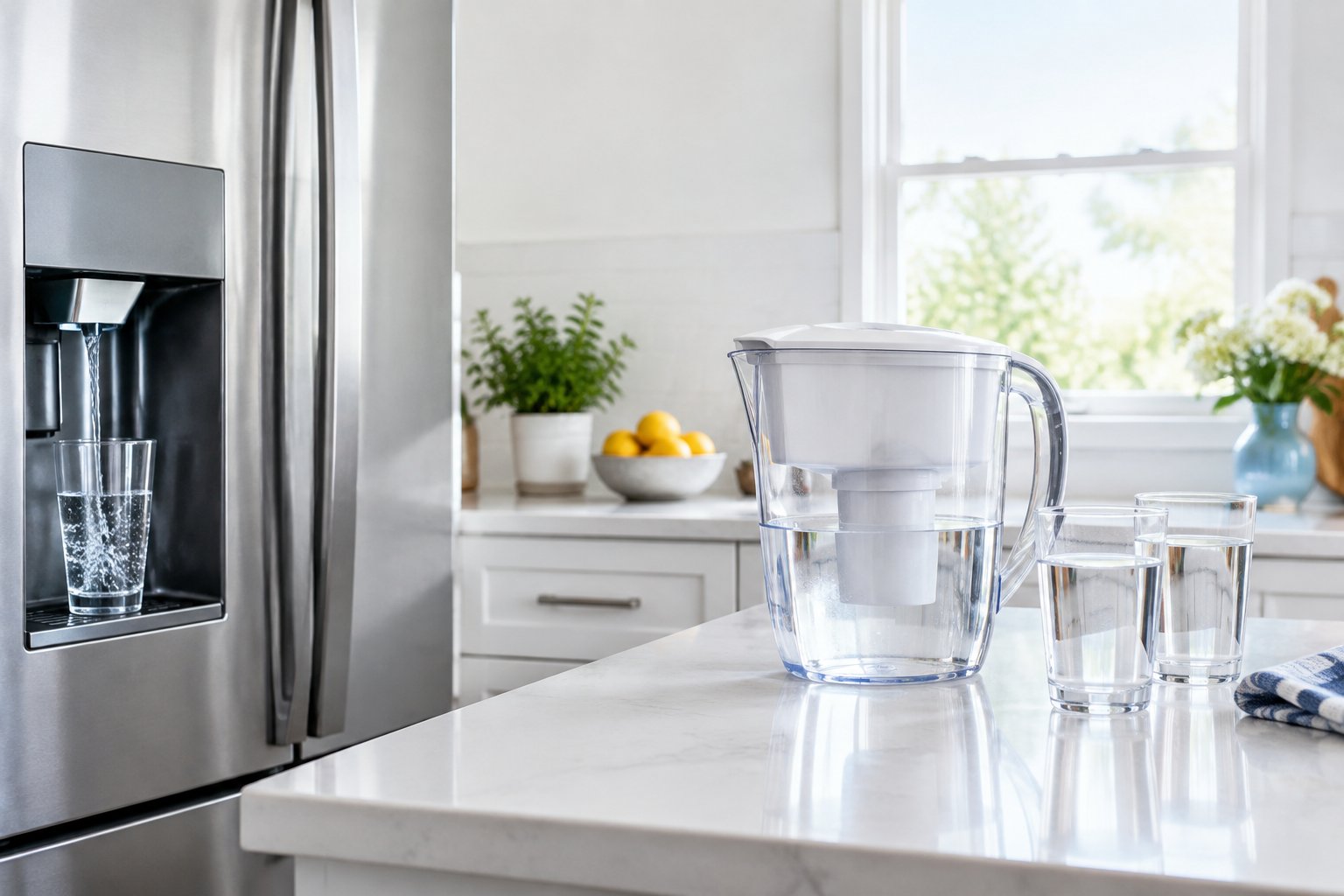
The biggest daily difference is speed and access. A fridge filter treats water on demand as it flows to your dispenser, while a pitcher filters one batch at a time by gravity. That one fact shapes most of the other trade-offs.
Refrigerator Water Filter vs Pitcher Filter: Where Do You Get Filtered Water?
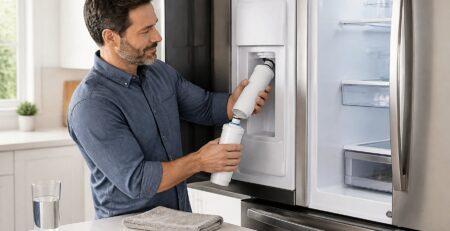
With refrigerator filters, the cartridge sits in the water line that feeds the door dispenser and, on most models, the ice maker too. You press a glass against the lever and get cold filtered water. You also get filtered ice without extra steps.
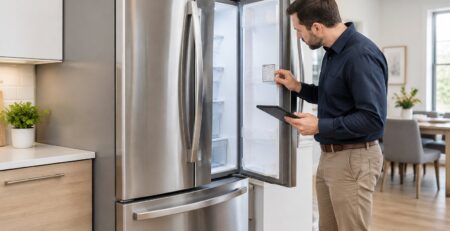
Where that cartridge lives depends on your model. Some sit in the upper right corner of the fresh food section. Others sit behind the base grille, inside a door, or under a crisper drawer. An LG fridge using an LT500P filter and a GE fridge using an MSWF cartridge use different housings and twist styles, so check your manual.
A pitcher uses gravity filtration. You fill the top reservoir from the tap, and water drips through the cartridge into the lower chamber. You can pour it anywhere: the counter, a desk, a camp table. You will wait a few minutes for each fill to pass through, and ice from your freezer stays unfiltered unless you make it from pitcher water.
Which Option Better Fits Your Household’s Daily Water Use?
Match the option to how much water your household drinks. A fridge dispenser handles large, steady use because it never runs empty. A pitcher holds a limited amount, so bigger families end up refilling it several times a day.
Here is a quick way to sort your household:
- Heavy water drinkers or families of four or more: a built-in filter keeps up without refills.
- One or two people who drink modest amounts: a pitcher covers daily needs well.
- Households that cook with lots of filtered water: a dispenser fills pots faster than a pitcher.
- Renters or anyone with an older fridge without a dispenser: a pitcher is often the only easy filtered option.
Think about ice too. If your family uses a lot of ice in drinks, filtered ice from the fridge gives you that without extra work.
Which Contaminants Can Each Filter Reduce?
Each filter reduces only what its specific certification covers, whatever its type. Many pitcher cartridges and fridge filters rely on carbon, and the CDC’s guide to choosing home water filters notes that most pitcher and fridge filters are not designed to remove germs. Their main strengths are taste, odor, and certain chemicals like lead.
How Activated Carbon Affects Taste and Odor
Activated carbon is a porous material that grabs certain chemicals as water passes through. It is very good at reducing chlorine, the disinfectant many utilities add to tap water. Chlorine taste and odor is the most common reason people buy a filter at all.
Carbon filtration comes in two main forms. Loose granules show up in many pitcher cartridges. Compressed carbon blocks show up in many refrigerator filters, and some pitcher models use blocks too. The form alone does not prove what a filter reduces, so the certification label is what you should trust.
Carbon can also reduce some heavy metals and volatile organic compounds, but only when the product has been tested for them. A filter that improves taste has not automatically been tested for lead.
What Do NSF 42, NSF 53, and NSF 401 Claims Tell You?
Each NSF/ANSI standard covers a different group of contaminants. Knowing which is which keeps you from assuming two labeled filters do the same job.
- NSF 42: aesthetic effects such as chlorine taste and odor, plus particulate reduction.
- NSF 53: health related contaminants, which can include lead, mercury, cysts, and some volatile organic compounds.
- NSF 401: emerging compounds such as certain pharmaceuticals and chemicals like bisphenol A.
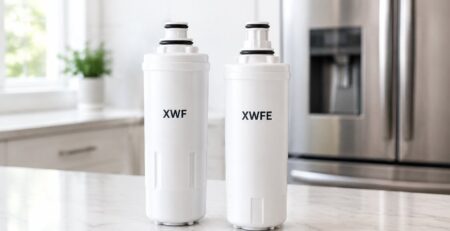
A filter can carry NSF 53 while being certified for only some contaminants on that list. For example, the GE XWF refrigerator water filter lists testing against Standard 42 for chlorine taste, odor, and particulate. Its Standard 53 claims include lead, asbestos, benzene, mercury, and cysts.
Certification marks also come from several bodies. NSF, the Water Quality Association (WQA), and others each run their own listings. A WQA seal and an NSF seal are separate marks from separate certifiers, so read the specific claims either way.
How to Match a Filter’s Claims to Your Water Concerns
Start with your water, then pick the filter. If you use a public water system, your utility sends a consumer confidence report (CCR) each year. The EPA’s page on consumer confidence reports explains that these reports must go out by July 1 and list regulated contaminants found in local water.
If lead is your worry, look closely at the claim. The EPA consumer tool for filters certified to reduce lead covers both fridge and pitcher filters. It points you to products certified under NSF 53 for lead reduction to 5 parts per billion or less, plus NSF 42 Class I particulate reduction.
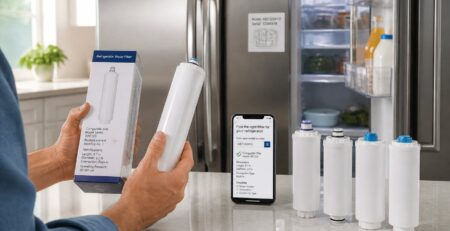
Then check the performance data sheet for your exact cartridge. It lists each contaminant, the percent reduced, and the rated gallons. If your concern is missing from that sheet, the filter is not certified for it.
How Much Will Each Option Cost Over a Year?
Your yearly cost comes down to cartridge price multiplied by how many cartridges you use. A fridge filter costs more per cartridge but lasts longer. A pitcher costs less up front, but its cartridges get replaced more often.
Compare Current Cartridge Prices and Rated Gallon Capacity
Most refrigerator water filters are rated for about six months or a set number of gallons, whichever comes first. That means two cartridges a year for most homes. Pitcher cartridges carry lower gallon ratings, so you change them more often. To compare fairly, divide each cartridge’s price by its rated gallons.
Here is a one-year example using prices checked in September 2026:
- Refrigerator filter (genuine GE MWF): about $33 per cartridge from discount sellers, rated for 300 gallons or six months. Two cartridges cost about $66 a year, or about 11 cents per gallon.
- Pitcher filter (Brita Standard): $7.99 per cartridge, rated for 40 gallons or about two months. Six cartridges cost about $48 a year, or about 20 cents per gallon.
The pitcher looks cheaper per year, but it filters far less water. Six Brita cartridges cover about 240 gallons, while two MWF cartridges cover up to 600. If your household drinks more than that, the pitcher needs extra cartridges and the gap grows. Certified compatible fridge cartridges for many models start under $30, which pulls the fridge side down further.
Include Pitcher Purchase Costs and Refrigerator Filter Choices
A Brita pitcher or similar model adds a one-time purchase on top of cartridges. Over a year, the replacement cartridges can cost more than the pitcher itself. Heavy use shortens cartridge life, so a large family may go through far more cartridges than the box suggests.
With a fridge, the filter housing is already built in. Your only choice is which replacement cartridge to buy, genuine or certified compatible.
Multi-packs cut the per-filter price. Buying two to four at once also means a spare is ready when the indicator light comes on.
What Maintenance Does Each One Require?
Both options need regular cartridge changes to keep working, and both can grow bacteria if you ignore them. The difference is in the daily chores. A pitcher needs frequent refills and washing, while a fridge filter needs attention about twice a year.
Replacing Cartridges at the Rated Capacity or Recommended Interval
Change any cartridge when it hits its rated gallons or its time limit, whichever comes first. An old filter stops reducing contaminants well, and a clogged one slows your water flow. A drop in flow, a new taste, or an odor are signs to replace it sooner.
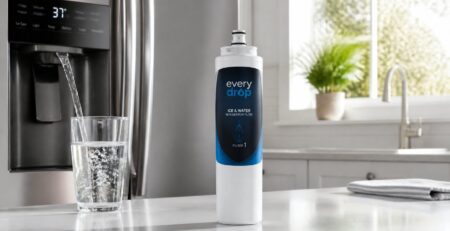
Fridge replacement steps differ by brand. Many Whirlpool models use an EveryDrop Filter 1 (EDR1RXD1) that sits in an interior housing. Its older part number, W10295370A, also appears on some labels. Other brands push in, twist, or slide out.
After you install a new fridge filter, you usually flush several gallons through the dispenser to clear air and loose carbon. The amount varies by model, so follow your manual. Many fridges also need a filter indicator reset, and that button or hold time also varies.
Pitchers have their own rules. Soak or rinse the new cartridge as the maker directs, and track your change date if there is no indicator.
Refilling and Cleaning a Pitcher vs. Maintaining a Fridge Dispenser
Pitchers ask for more hands-on care. You refill the reservoir often, and you should wash the pitcher and lid by hand every week or two. Use only cold water, since hot water can damage the cartridge.
Fill a pitcher properly too. If you overfill it or pour before the water finishes draining, unfiltered water can slip past the cartridge.
Fridge dispensers need less daily work. Wipe the dispenser nozzle and drip tray now and then. If the fridge sits unused during a trip, run some water through before drinking.
Which Choice Fits Your Water and Your Routine?
Pick the option that is certified for your water concern and that fits how your home uses water. Both work well for tap water that is already safe but tastes of chlorine. The deciding factors are your appliance, your household size, and what your CCR shows.
When a Built-In Filter Makes More Sense
Choose a fridge filter if your refrigerator has a dispenser and your household drinks a lot of water. You get cold water on demand and filtered ice with no refilling. Some of the key benefits of refrigerator water filters come from that convenience.
It also makes sense when a compatible cartridge for your model is certified for your concern, such as lead. Replacement cartridges exist for most major brands.
When a Pitcher Is the Practical Choice
A pitcher fits well if your fridge has no dispenser or no water line. It also works for renters who cannot connect plumbing, and for small households that drink modest amounts. You can move it room to room or take it to the office.
Pitchers are a good backup too. If your fridge filter is overdue, a pitcher keeps filtered water on hand until the new cartridge arrives. Just confirm that the pitcher cartridge carries the claims you need, since many only carry NSF 42.
When to Test Your Water First
If you are on a private well or your CCR shows a serious problem, test your water before choosing either option. Some contaminants need a different type of system, so pick one certified for what the test finds.
Choose Based on Verified Claims and Daily Use
For most homes with a water dispenser, a certified refrigerator filter gives the easiest daily access to filtered water and ice. A pitcher is a fair, affordable choice when you have no dispenser, live alone, or want a portable backup. The best pick in any refrigerator water filter vs pitcher filter comparison is the one certified for your water and sized for your household.
Before you buy, read the performance data sheet for your exact cartridge. Match its NSF 42, NSF 53, or NSF 401 claims to your CCR. Then divide price by rated gallons to see your real yearly cost.
If your fridge has a dispenser, your filter model is printed on the old cartridge. Enter it in the fridge filter cross-reference tool at FilterForFridge.com, with free shipping in the contiguous U.S. and certified replacements starting under $30. Not sure of your model? Email it to us or call +1 615-758-6915.
Frequently Asked Questions
Is a Fridge Water Filter as Good as a Brita Pitcher Filter?
A fridge water filter can match or exceed a pitcher filter, depending on each product’s certifications. Some fridge filters carry NSF 42 and NSF 53 claims for lead and other contaminants, while some pitcher cartridges carry only NSF 42. Compare the performance data sheets for the exact models you are considering.
Can a Pitcher Filter Reduce Lead as Well as a Refrigerator Filter?
Yes, a pitcher filter can reduce lead if it is certified under NSF 53 for lead reduction. The EPA’s lead filter guidance covers both pitcher and refrigerator filters that meet this standard. Check that the specific cartridge lists lead on its performance data sheet.
Are Water Filter Pitchers Worth It if My Fridge Has a Dispenser?
A pitcher is usually not needed if your fridge filter is certified for your concerns and replaced on time. It is still useful as a portable option or as a backup while you wait for a new cartridge. Many families with a dispenser skip the pitcher to save on extra cartridges.
Does a Refrigerator Filter Always Cost More Than a Pitcher Filter?
No, a refrigerator filter does not always cost more over a year. It costs more per cartridge, but most last about six months, so you buy about two a year. Divide each cartridge’s price by its rated gallons to compare the true cost for your household.
Should I Use Both a Refrigerator Filter and a Pitcher Filter?
Most homes do not need both filters running on the same water. Using both makes sense if you want filtered water away from the kitchen or if one filter is certified for a contaminant the other is not. Otherwise, pick one certified option and keep its cartridge current.